

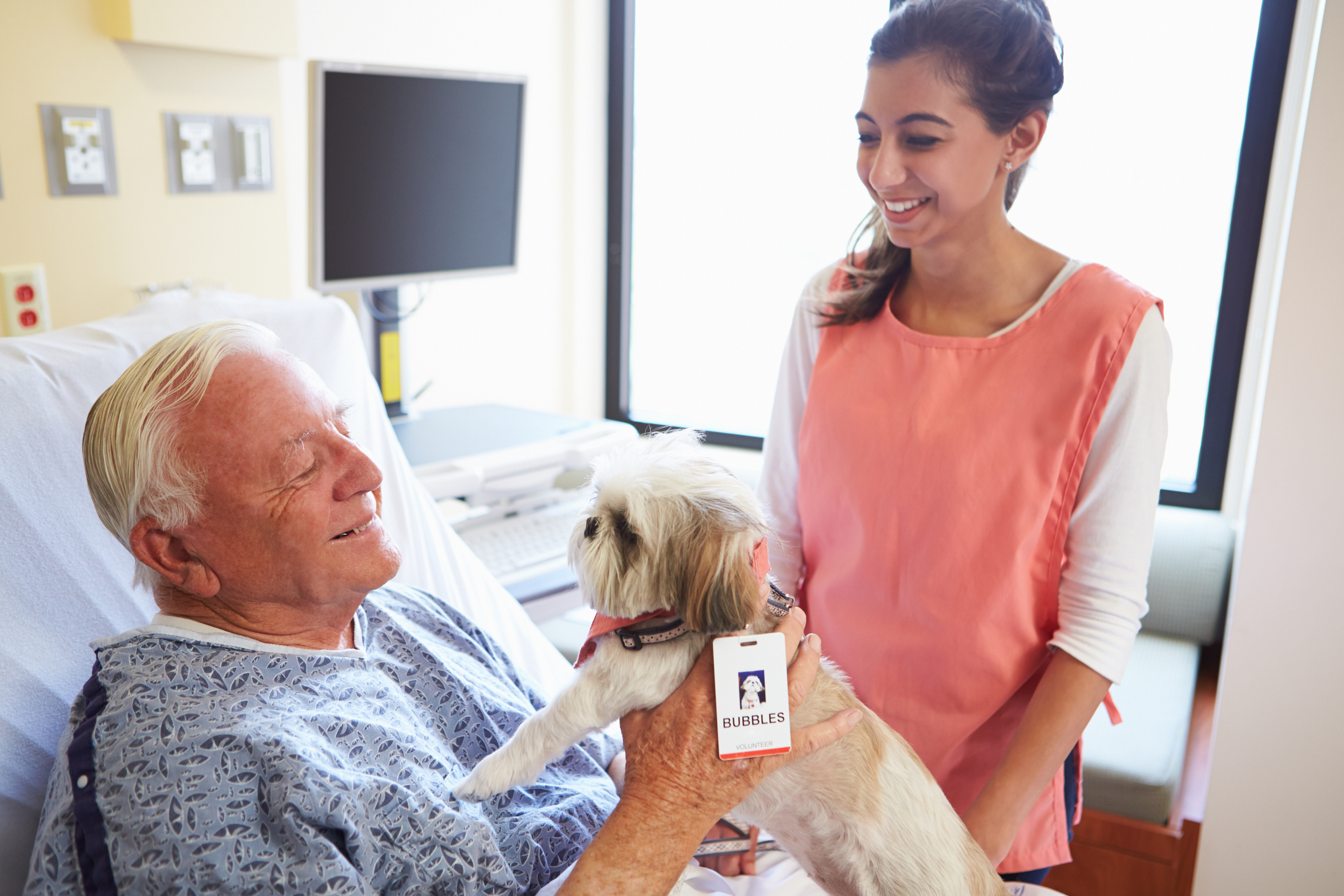
Volunteering is often viewed as a way to give back, but in medicine it can also be a powerful career catalyst. From gaining hands-on experience to building meaningful professional connections, service experiences frequently shape long-term career paths in healthcare.
Building Real-World Experience
Clinical and community health volunteer work gives aspiring physicians early exposure to real patient care settings. Through these experiences, volunteers strengthen their communication skills, build cultural humility, and gain a clearer view of how healthcare systems function—qualities that medical schools and employers highly value.
The Mayo Clinic notes that volunteering can help individuals “explore possible career opportunities in the health care field” while developing valuable workplace skills. They offer a nine-week High-School Summer volunteer program that gives students the opportunity to gain experience in both clinic and hospital settings.
Expanding Professional Networks
Volunteering places students and early-career professionals alongside physicians, nurses, and healthcare leaders. These relationships often evolve into mentorship, research opportunities, or strong letters of recommendation.
According to the American Medical Association, volunteer experiences frequently influence medical students’ career satisfaction and specialty decisions.
Strengthening Applications and Career Direction
In competitive medical school and residency cycles, volunteer work helps applicants demonstrate commitment to service, leadership, and health equity. More importantly, it often clarifies career goals. Exposure to free clinics, rural health programs, or global health initiatives can solidify a passion for primary care, public health, or health advocacy.
The Arnold P. Gold Foundation highlights how community service experiences shape medical students’ commitment to patient-centered care and underserved populations.
Real Stories of Volunteers Who Built Careers in Medicine
At Suburban Hospital, a volunteer who began in her teens helping patients ultimately became a pediatric oncologist in Philadelphia. Her hands-on experience supporting patients early on inspired her to pursue medicine as a career — showing how even basic volunteer roles can spark lifelong goals.
Michael Calvarese started at ChristianaCare as a 14-year-old volunteer simply looking for something meaningful to do. After three years, he was offered a part-time paid job transporting patients — and nearly 20 years later, he continues in healthcare leadership.
John Przybylski Jr. originally worked as a hairstylist before deciding he wanted a healthcare career. Volunteering in the Emergency Department and other units at ChristianaCare showed him what clinical work was really like, motivating him to pursue and complete a Physician Assistant degree.
At the University of Iowa Hospitals & Clinics, Kenten spent time volunteering across multiple units — from NICU to surgical ICUs — before he entered medical school. His volunteer experiences deepened his commitment to medicine and helped shape his career goals.
A Strategic Step Forward
Volunteering is more than a résumé booster. It is often where future physicians discover their purpose, find mentors, and build the professional foundation that shapes their careers.
For those considering a future in medicine, meaningful service isn’t just encouraged — it’s transformative.