

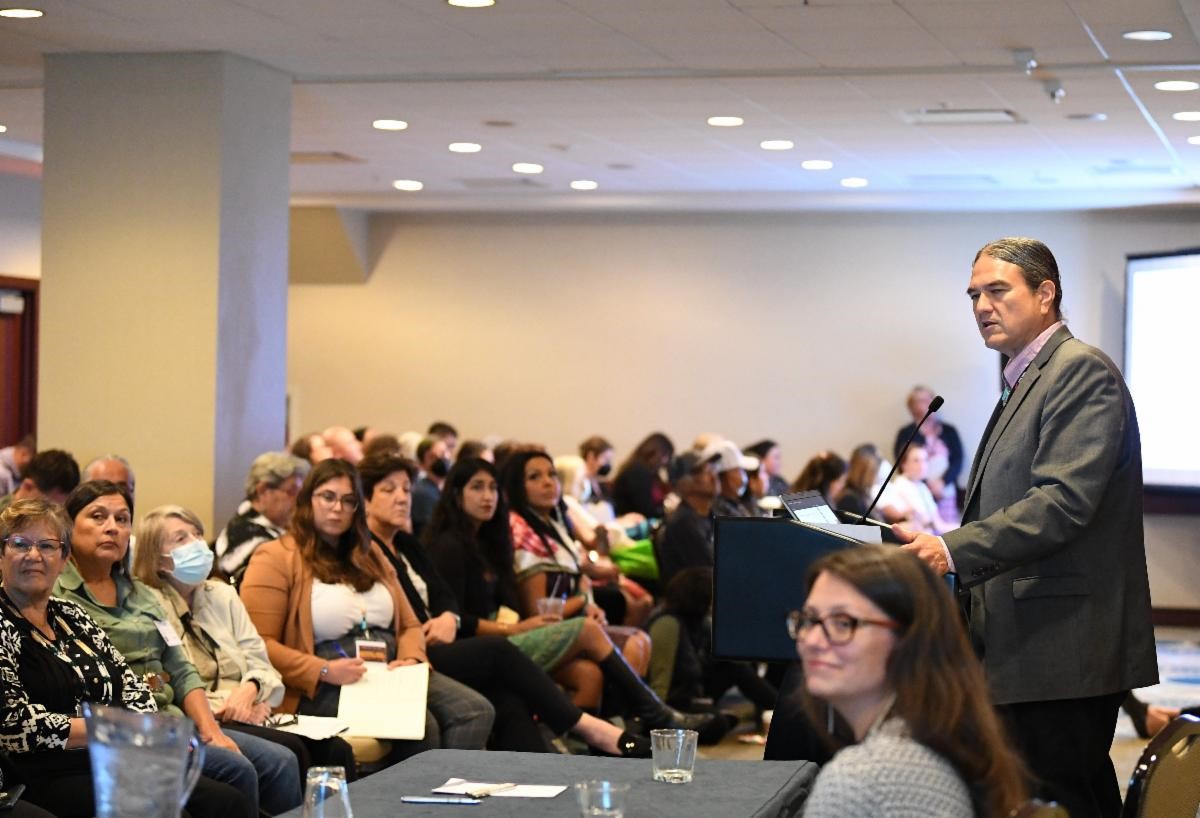
A groundbreaking initiative is underway in South Dakota to establish the nation’s first Indigenous School of Medicine. Spearheaded by Dr. Donald Warne, co-director for the Center for Indigenous Health at Johns Hopkins and a member of the Oglala Sioux Tribe, the proposed school aims to address the stark underrepresentation of Native American physicians across the United States.
As of 2024, Native Americans represented just 0.3% of practicing physicians nationwide. Proponents of the new school hope that establishing an institution grounded in Indigenous culture and holistic learning in Rapid City will help close this gap and transform healthcare access in tribal and rural communities.
Rethinking Medical Education Through Cultural Inclusion
Unlike traditional medical school models, the proposed curriculum aims to seamlessly integrate cultural traditions, ceremonies, and Indigenous values directly into medical training.
Rather than enforcing a strict four-year timeline, the institution plans to adopt a student-centric, competency-based framework. This approach prioritizes personal well-being and allows students to complete their medical education at a flexible pace without sacrificing academic rigor or clinical standards.
“There is still a sense we have to check our culture at the door to become a cookie-cutter doctor as opposed to maintaining who we are,” said Dr. Warne, emphasizing that cultural concordance between healthcare providers and patients directly enhances communication and clinical outcomes.
Backing, Funding, and Planned Launch
The initiative has secured significant initial funding to lay the groundwork for the school:
- Robert Wood Johnson Foundation: Awarded a $1 million grant to fund a comprehensive feasibility study and business plan.
- NDN Collective: Granted $100,000 in capacity-building support.
Supporters target 2030 to begin enrolling the inaugural class. While an exact site within Rapid City has yet to be finalized, the project has already earned support from state medical leaders. Tim Ridgway, dean of the University of South Dakota (USD) Sanford School of Medicine, noted that the school will complement existing medical programs, opening opportunities for shared faculty, collaborative curricula, and specialized residency training tailored for Indigenous healthcare.
Impact on Indigenous Students and Community Care
For Native American medical students, the prospective school represents a vital shift in medical culture. Currently, many Native students experience systemic biases and a lack of cultural representation during their training.
Kenzie Lindemann, an Oglala Sioux Tribe member currently attending medical school at USD, reflected on the challenge of navigating standard clinical evaluations where non-Native standardized patients assess performance, often prompting Native students to tone down visible elements of their identity.
By cultivating an environment centered on Indigenous peers, faculty, and perspectives, the school intends to eliminate these barriers, inspire younger generations to pursue healthcare careers, and deliver culturally competent physicians to communities facing severe health disparities.
For further details on this initiative, read the full report on South Dakota Searchlight.