

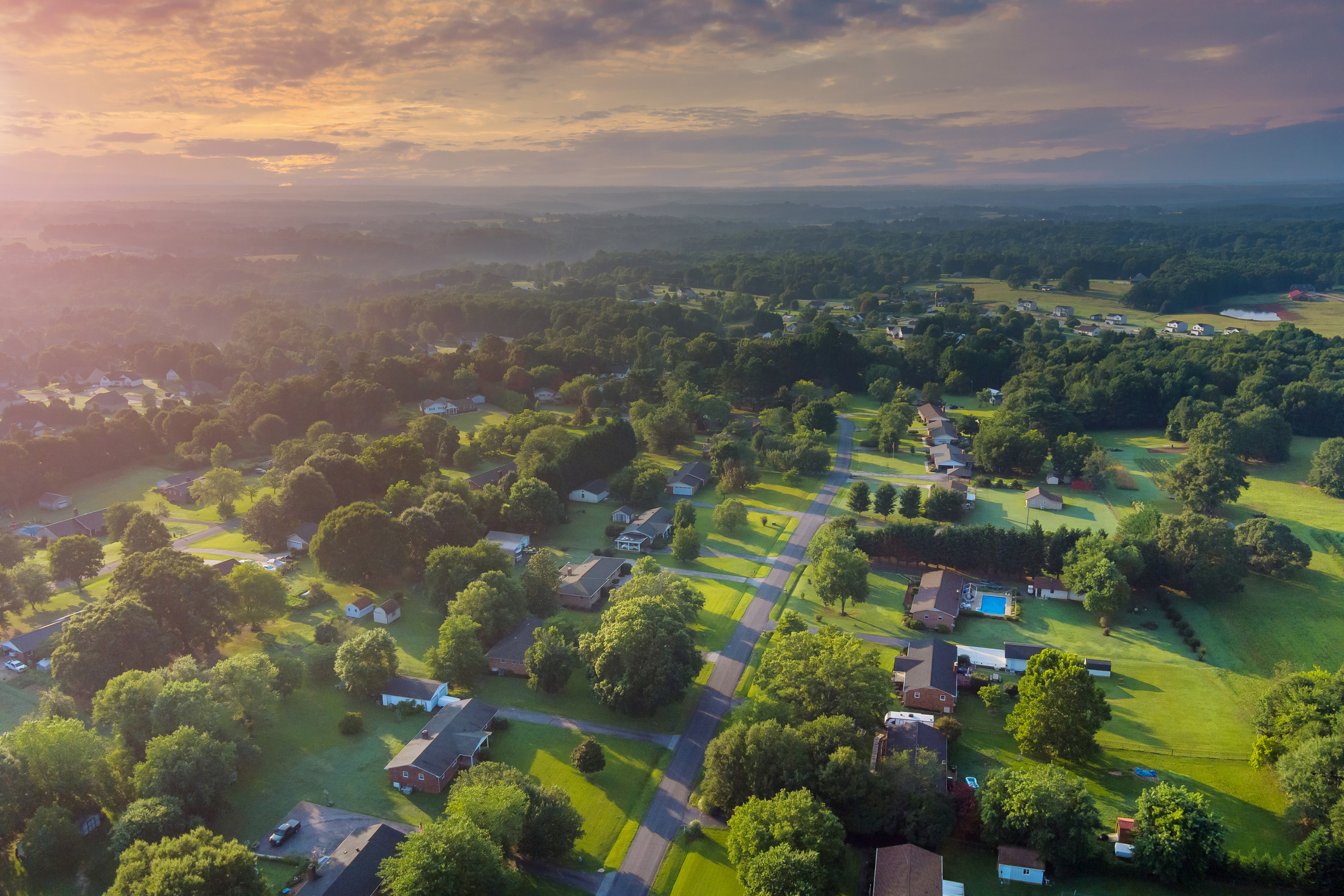
Across the vast stretches of rural America, from the hollows of Appalachia to the high plains of the Dakotas, from the Mississippi Delta to the remote corners of the Mountain West, a slow-moving healthcare emergency has been unfolding for decades. The crisis has a deceptively simple cause: there aren’t enough Doctors. And the consequences are anything but simple.
The Numbers Tell a Sobering Story
More than 46 million Americans, roughly 14% of the population, live in rural areas. Yet fewer than 10% of the nation’s Physicians practice there. The Health Resources and Services Administration (HRSA) has designated thousands of rural counties as Health Professional Shortage Areas (HPSAs), meaning they lack even the minimum threshold of primary care providers to meet community need.
The gap is staggering. Rural Americans are more likely to die from the five leading causes of death, heart disease, cancer, unintentional injury, chronic lower respiratory disease, and stroke, than their urban counterparts. They experience higher rates of diabetes, obesity, and opioid addiction. And they are increasingly doing so without a Doctor anywhere nearby.
This isn’t just inconvenient. It is a matter of life and death.
Why Don’t Physicians Go Rural?
It would be easy, and unfair, to simply blame Doctors for avoiding rural practice. The reality is far more structural.
Medical school is extraordinarily expensive, leaving the average graduate with well over $200,000 in student loan debt. Rural practices, often operating on thinner margins with a higher proportion of Medicaid and Medicare patients, may not generate the income needed to service that debt quickly. Urban and suburban hospital systems, meanwhile, offer competitive salaries, subspecialty colleagues, state-of-the-art facilities, and robust support staff.
Then there is the professional isolation. A solo rural family Physician may go years without a colleague to consult with face-to-face. Continuing education, the lifeblood of good medicine, is harder to access. Burnout rates in rural medicine are high, and when a single Physician serves an entire community, taking a vacation, let alone getting sick, becomes a logistical crisis.
Family considerations play a role too. Physicians have spouses with careers, children with school and social needs, and aging parents. Rural communities, however charming, often lack the amenities, employment opportunities, and social infrastructure that attract and retain professional families.
The pipeline itself is also part of the problem. Medical schools disproportionately recruit from urban and suburban backgrounds. Studies consistently show that Physicians who grew up in rural areas are far more likely to return to rural practice, yet those students are underrepresented in the applicant pools of the nation’s elite medical schools.
What’s Already Being Lost
The closure of rural hospitals has accelerated at an alarming rate. When a rural hospital closes, it rarely just eliminates beds. It eliminates jobs, strips away the economic anchor of a small town, and removes the infrastructure that allows Physicians to practice. Without a hospital, specialists won’t come. Without specialists, primary care Physicians find themselves managing conditions they can’t adequately treat alone. It becomes a downward spiral.
Obstetrics has been particularly hard hit. Hundreds of rural counties now have no hospital-based obstetric care, forcing pregnant women to drive long distances for prenatal visits and delivery, sometimes delivering in cars on the roadside when labor comes faster than expected. Rural maternal mortality rates reflect this reality painfully.
Mental health care in rural areas is even more dire. The Psychiatrist-to-population ratio in many rural counties is essentially zero. With the opioid epidemic having carved deep wounds through rural America, the absence of addiction medicine specialists and mental health professionals has left entire communities to cope largely on their own.
Solutions Worth Pursuing
The good news is that the solutions are not mysterious. What is lacking is not knowledge but political will, sustained investment, and coordinated strategy.
Loan forgiveness and financial incentives have shown real promise. The National Health Service Corps offers loan repayment for Physicians who commit to practicing in underserved areas. Expanding the scale and duration of these programs, and making them more competitive with private sector offers, could meaningfully shift the calculus for young Physicians.
Rural medical education pipelines are perhaps the most powerful long-term intervention. Programs like the Rural Physician Leadership Program at the University of Minnesota and regional medical schools embedded in rural communities produce graduates who are dramatically more likely to stay. Investing in these pipelines, and creating more of them, is essential.
Telehealth, accelerated by the COVID-19 pandemic, has proven a vital bridge. A rural patient with a Cardiologist available by video is better off than one with no Cardiologist at all. Maintaining and expanding the regulatory flexibilities and reimbursement structures that enabled telehealth’s expansion must be a policy priority.
Team-based care models, in which Nurse Practitioners, Physician Assistants, and community health workers extend the reach of a single Physician, can dramatically expand access without requiring a Physician in every county. But these models require a foundation of Physician oversight and collaboration to work safely and well.
Incentivizing rural residency training is another underutilized lever. Physicians largely practice where they train. If residency programs were deliberately sited in rural communities, the Physician workforce would naturally follow.
A Question of Equity
At its core, the rural Physician shortage is a question of equity. Where a person is born should not determine whether they have access to a Doctor when they are sick. The United States spends more per capita on healthcare than any nation on earth yet allows entire regions of its own country to exist as medical deserts.
Rural Americans are not asking for special treatment. They are asking for basic access, a family Doctor who knows their name, a clinic they can reach without burning half a tank of gas, a healthcare system that does not treat them as an afterthought.
The farmer in rural New Hampshire, the schoolteacher in rural Mississippi, the coal miner’s widow in rural Kentucky, they deserve the same standard of care as anyone living a few miles from a major medical center.
Solving the rural Physician shortage will require a sustained, multi-pronged commitment: more funding, smarter policy, reformed medical education, and a healthcare culture that treats rural practice not as a sacrifice but as a calling worthy of respect and reward.
The prescription is written. It is time to fill it.