

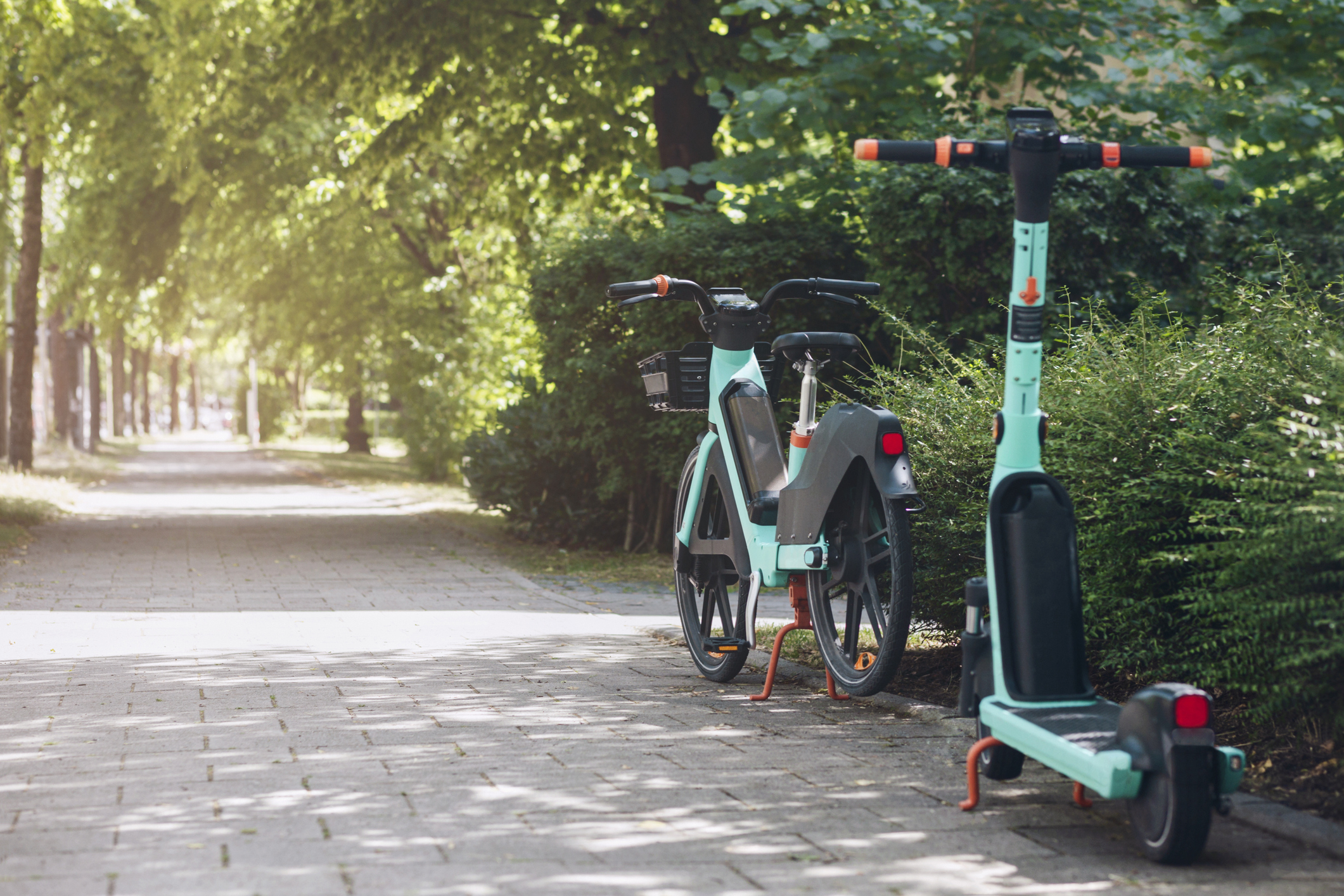
They’re sleek, fast, eco-friendly, and increasingly everywhere. Electric bikes — e-bikes — have surged in popularity over the past decade, becoming a fixture on city streets, suburban trails, and school routes alike. But as sales soar past a million units a year in the US alone, a growing chorus of doctors, surgeons, and public health officials are raising urgent concerns about the risks that come with them.
This isn’t a fringe worry. The nation’s top medical and orthopaedic organizations are stepping forward with warnings that paint a sobering picture of what’s happening in emergency rooms across the country.
The Injury Numbers Are Hard to Ignore
The statistics are stark. According to the US Consumer Product Safety Commission (CPSC), injuries from micromobility devices — including e-bikes — have risen by an estimated 23% annually since 2017. Perhaps most telling: nearly half of all e-bike injuries recorded between 2017 and 2022 happened in 2022 alone, suggesting the problem is accelerating rather than levelling off.
At the University of California, San Francisco, researchers found that rider injuries from e-bikes nearly doubled each year from 2017 to 2022. Meanwhile, physicians at UCI Health report seeing e-bike crashes and related injuries increase by close to 100% annually in recent years.
One California trauma center put it bluntly: in 2025, the John Muir Trauma Team treated twice as many injuries from e-bike and e-scooter riders as in the previous year. Kacey Hansen, executive director of trauma and acute care surgery at John Muir Health, called it an “alarming trend.”
Speed Is the Core Problem
At the heart of the concern is a simple physical reality: e-bikes are much faster than traditional bicycles, and speed dramatically changes the severity of crashes.
The American Academy of Orthopaedic Surgeons (AAOS) issued a warning in May 2025 highlighting that e-bikes capable of reaching 28 mph are causing serious injuries across all age groups — not just inexperienced riders. As AAOS spokesperson Dr. Brian R. Waterman explained, the higher speeds mean more force during falls or collisions, resulting in “injuries we don’t typically see in traditional bicycle falls.” More than 10% of injured riders end up requiring hospitalization.
Trauma surgeons describe a consistent picture in their emergency departments: a combination of head injuries, spine fractures, broken bones, and severe road rash. One injury prevention coordinator at Cottage Health noted that an e-bike travelling at just a few miles per hour in a collision can have the equivalent impact of a vehicle moving at 30 mph.
Unlike traditional bicycles, many e-bikes — particularly Class 2 models — can accelerate by throttle alone without any pedaling. Some controllers can even be deactivated by a magnet or a series of keystrokes, allowing speeds comparable to motorcycles. Under US federal law, however, most e-bikes are still classified as non-motorized vehicles, meaning riders need no license, no insurance, and in many states, no helmet.
Children Are at Particular Risk
Doctors are especially alarmed by the growing number of children and teenagers being hurt on e-bikes. At Penn State Health Children’s Hospital, the pediatric trauma medical director Dr. Bryanna Emr reported that by late 2025, her team had already treated more children injured in e-bike and e-scooter accidents than in the prior three years combined.
“We have seen an alarming increase in the number of kids who experienced serious trauma while riding e-bikes and e-scooters,” she said. “Parents need to know the risks before letting their child ride these vehicles.”
The injuries children sustain are serious: life-threatening head trauma including brain bleeds and skull fractures, broken ribs, fractured legs, and bruised internal organs. The most dangerous accidents happen when young riders are struck by cars on main roads — often while distracted by headphones or phones, or while riding in low-light conditions on the way to or from school.
In San Diego, e-bike injuries among riders under 18 soared 300% between 2019 and 2023. The American Academy of Pediatrics recommends that children under 16 should not operate motorized e-bikes at all.
The Battery Fire Problem
Crash injuries aren’t the only concern. The lithium-ion batteries that power e-bikes present a separate and growing hazard: fire.
In New York City, battery-related fires from micromobility devices more than doubled in recent years, with the city’s fire department attributing hundreds of fires, serious injuries, and multiple deaths to these batteries.
The CPSC has issued multiple urgent safety warnings in 2025 and 2026, including alerts about specific e-bike models whose batteries can overheat and ignite. Defective or cheaply manufactured lithium-ion cells — particularly in lower-cost bikes sold through online marketplaces — are at the center of the problem. When batteries fail, they can do so rapidly and violently, particularly during charging or indoor storage.
A Regulatory Grey Zone
One of the most persistent frustrations voiced by health experts is the patchwork of laws governing e-bike use. Regulations vary dramatically not just between countries, but between US states and even individual municipalities. In some places, e-bikes are treated like bicycles; in others, like mopeds or motorcycles. Some cities have banned them outright in certain areas; others have no rules at all.
This inconsistency makes it difficult to enforce meaningful safety standards. Health experts have called for clearer national guidelines, mandatory helmet laws, age restrictions, and better enforcement — especially given how quickly the market is growing.
The Bigger Picture
None of this is to say e-bikes don’t have real benefits. They offer a genuine, eco-friendly alternative to cars, help people commute further without exhausting themselves, and have been shown to increase physical activity among people who might otherwise not cycle. Public health researchers have noted their potential role in reducing emissions and urban congestion.
But the benefits only materialize safely when riders — and especially parents — understand what they’re dealing with. An e-bike is not simply a faster bicycle. It is a motorized vehicle with a motor-vehicle-style risk profile, in a regulatory environment still catching up to that reality.
For now, health experts’ advice is consistent: always wear a helmet, know your local laws, buy from reputable manufacturers with certified batteries, never modify your bike to exceed its rated speed — and think carefully before handing one to a child.
The roads are getting faster. The question is whether our safety culture is keeping pace.