

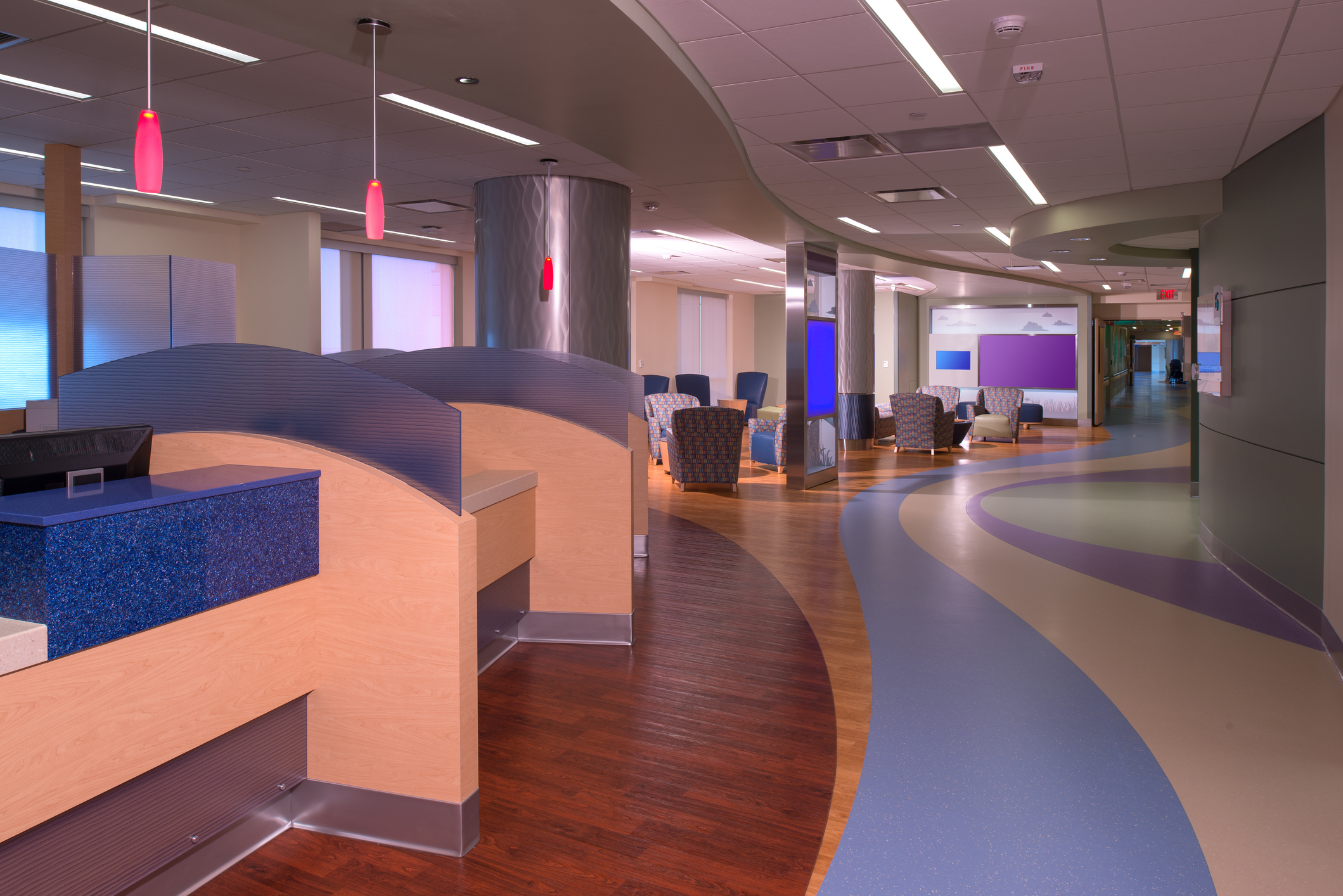
The future of hospital design is already being built. It is visible in today’s most celebrated healthcare spaces, where architecture and interiors are no longer treated as separate from care delivery. Instead, design is becoming a clinical tool that supports healing, reduces stress, improves staff performance, and creates more humane experiences for patients and families.
That shift is reflected in the 2026 Healthcare Design Interior Design Competition winners announced by Healthcare Design Magazine. The annual awards recognize projects that demonstrate excellence in healthcare interiors.
These projects offer a clear preview of where hospital design is heading next.
Hospitality Will Continue to Shape Healthcare Spaces
One of the strongest trends in modern hospitals is the move away from institutional interiors. Future hospitals will feel more like hotels, wellness centers, or premium workplaces than the sterile medical buildings of the past.
This means warmer materials, layered lighting, comfortable furniture, acoustic privacy, and welcoming arrival zones. Reception areas are becoming lounges. Waiting rooms are becoming living rooms. Cafes, quiet zones, and family spaces are being integrated into the patient journey.
Award-winning projects such as Frist Health Center and Rady Children’s Health Orange County were recognized specifically for interior excellence, suggesting that emotional comfort now matters as much as functional planning.
Pediatric and Family-Centered Design Is Influencing All Hospitals
Children’s hospitals have often led the industry in designing around anxiety reduction, family comfort, and intuitive navigation. That thinking is now spreading into adult care environments.
The 2026 winners include pediatric-focused projects such as Rady Children’s Health Orange County and finalists tied to Nemours Children’s Hospital and Intermountain Primary Children’s Behavioral Health Center.
What we are seeing now:
- Family zones inside patient rooms
- Playful but sophisticated graphics and art
- Better overnight accommodations for caregivers
- Clear wayfinding with color and landmarks
- Daylight-rich common areas
What comes next is broader adoption across all hospital types, especially oncology, outpatient, and senior care environments.
Behavioral Health Design Is Becoming Mainstream
For years, behavioral health design was treated as a niche category. Today it is central to healthcare planning.
The recognition of Intermountain’s Behavioral Health Center among finalists shows how mental health environments are gaining visibility in major design competitions.
Future-ready hospitals will increasingly include:
- Calm, trauma-informed interiors
- Ligature-resistant products without institutional appearance
- Access to nature and outdoor courtyards
- Private decompression areas for patients and staff
- Sensory-sensitive lighting and acoustics
Mental health support will no longer be hidden in separate buildings. It will be embedded across the healthcare campus.
Specialized Care Environments Will Feel Highly Personalized
Cancer centers, women’s health facilities, cardiac institutes, and neuroscience programs are demanding spaces tailored to unique patient journeys.
This year’s winners and finalists included multiple oncology and specialty care projects, including Mayo Clinic’s Integrated Oncology Building and City of Hope Orange County Cancer Specialty Hospital.
That points to a future where hospitals are less generic and more destination focused. Interiors will be designed around treatment duration, emotional stress levels, privacy needs, and family involvement for each specialty.
For example:
- Infusion centers may feel residential and calming
- Imaging suites may use immersive lighting and distraction design
- Oncology waiting spaces may include private retreat rooms
- Rehab centers may blend therapy gyms with lifestyle settings
Staff Experience Is Becoming a Top Priority
Hospitals cannot solve workforce shortages with recruitment alone. They also need better environments for caregivers.
Award programs increasingly reward projects that improve productivity and staff well-being, not just patient experience. Healthcare Design specifically cites support for staff as part of its competition criteria.
That means future hospitals will invest in:
- Quiet respite rooms
- Better locker and changing facilities
- Natural light in staff work areas
- Reduced walking distances through smarter planning
- Decentralized charting zones
- Flexible collaboration spaces
The best hospitals of tomorrow may be the ones designed equally for Nurses and Physicians as for patients.
Outpatient Thinking Will Reshape Inpatient Buildings
Many award-recognized projects today blur the line between hospital and ambulatory care. This reflects a larger shift in healthcare delivery.
As more treatment moves to outpatient settings, inpatient hospitals must become more efficient, specialized, and experience driven.
We can expect:
- Smaller inpatient footprints
- Larger procedural and diagnostic zones
- Flexible units that can adapt over time
- Faster intake and discharge flows
- More technology-enabled rooms
Hospitals will become hubs for higher-acuity care while routine services happen elsewhere.
Design Will Be Evidence-Based and Data-Informed
Beautiful hospitals are no longer enough. Future healthcare interiors must prove performance.
Leading organizations increasingly evaluate how design affects outcomes such as falls, stress, infection prevention, staff retention, throughput, and satisfaction.
That means hospitals will use mock-ups, post-occupancy studies, sensor data, and patient feedback to refine spaces over time.
The award-winning projects of today likely succeeded not only because they look impressive, but because they solve real, operational, and human problems.
The hospital of the future is not a science fiction building full of robots and screens. It is a place that feels calmer, works smarter, adapts faster, and treats people with more dignity.
The 2026 award winners show us that this future is already arriving through better interiors, better planning, and a deeper understanding that environment shapes health. Hospitals that invest in design now are not chasing aesthetics. They are investing in outcomes.
And that may become one of the smartest healthcare decisions of the decade.